
Portfolio Diversification Strategies To Know
Diversification allows investors to spread risk across various assets, sectors, and regions. By diversifying, you can mitigate the impact of poor performance in a single investment, leading to more stable and potentially higher returns. This article talks about the eight most prominent portfolio diversification strategies that both beginner and advanced traders should know.
Portfolio diversification strategies to know
1. Diversification by asset class
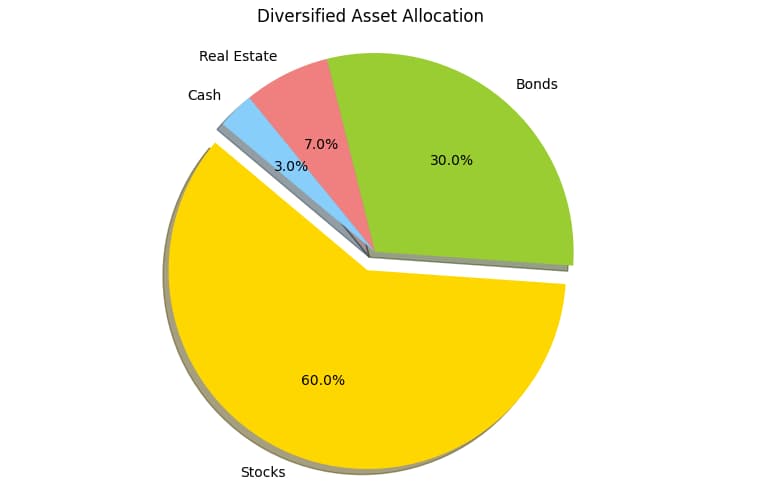
Diversifying by asset class involves spreading investments across different types of assets, such as stocks, bonds, and real estate. Each asset class behaves differently under various economic conditions, reducing overall portfolio risk.
How to Use: Allocate a percentage of your portfolio to each asset class based on your risk tolerance and investment goals. For example, a balanced portfolio might consist of 60% stocks, 30% bonds, and 10% real estate.
During the 2008 financial crisis, while stocks plummeted, high-quality bonds and real estate investment trusts (REITs) provided a cushion, demonstrating the benefits of asset class diversification.
2. Sector Diversification
Sector diversification involves investing in various industry sectors such as technology, healthcare, and finance to mitigate sector-specific risks.
How to Use: Choose stocks from different sectors to balance your portfolio. For instance, avoid over-concentration in tech stocks by adding healthcare and financial stocks. That way, if one sector faces turbulence, your portfolio will be safeguarded from volatility to an extent.
In 2020, while the technology sector soared due to increased digital adoption during the pandemic, the energy sector faced significant challenges. A diversified portfolio across sectors would have balanced these opposing trends.
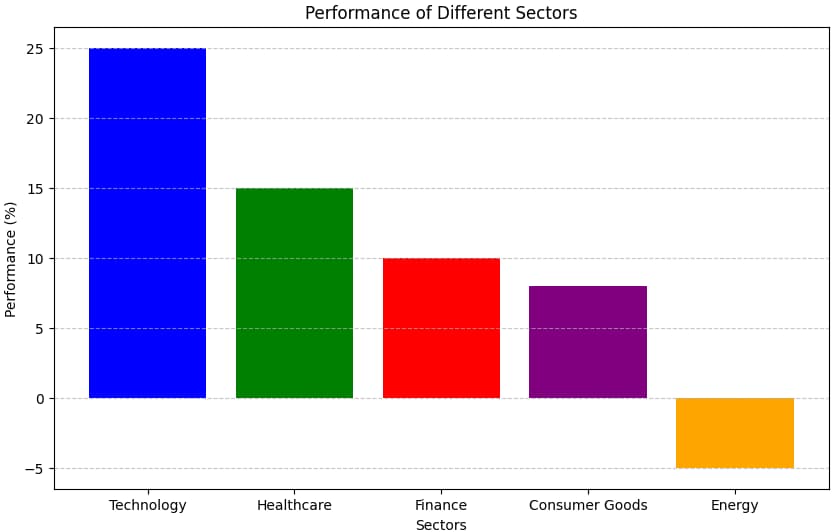 A bar chart comparing the performance of different sectors
3. Geographic Diversification
Geographic diversification includes international investments in a portfolio to benefit from global growth and reduce country-specific risks.
How to Use: Invest in international funds or stocks from different regions such as North America, Europe, and Asia to gain exposure to different geographic risks and mitigate concentration risk of a single region.
Currency exchange rates, political stability, and economic growth vary by region. For example, investing in emerging markets can offer high growth potential but comes with higher risks compared to developed markets.
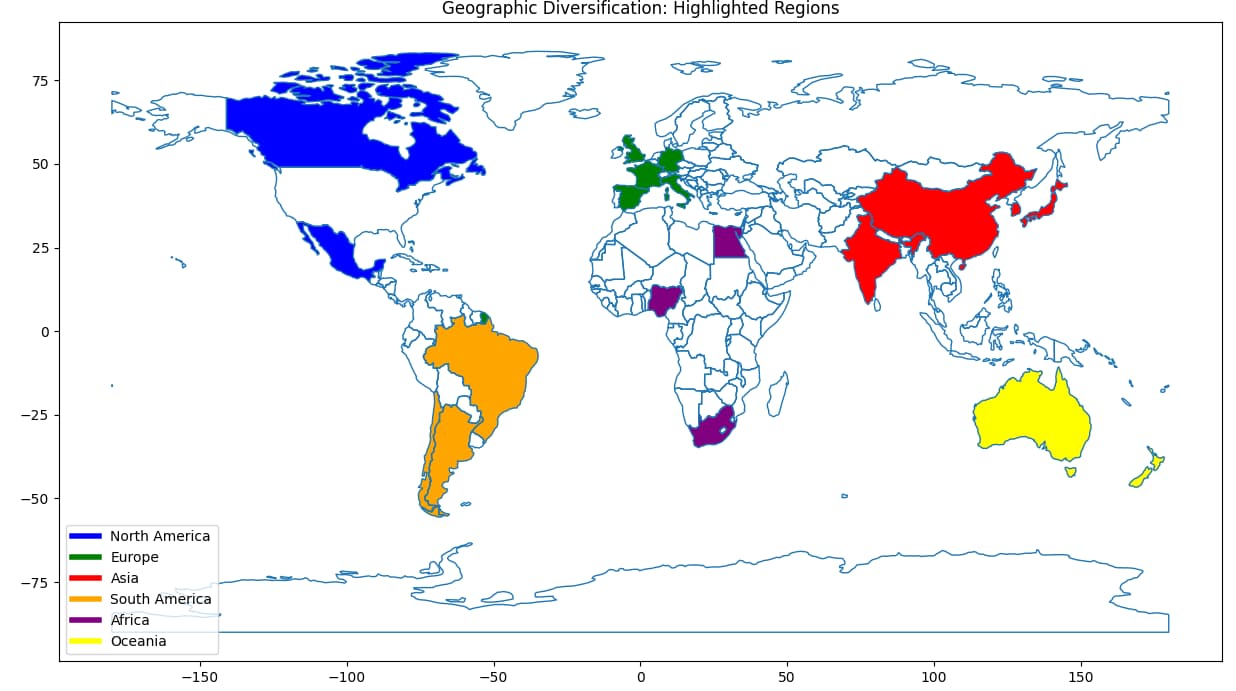 A world map highlighting diversified regions
4. Diversification by Investment Style
Investment styles can be growth, value, income, and others. Combining them can balance potential returns and risks.
How to Use: Allocate portions of your portfolio to growth stocks, value stocks, and dividend-paying stocks. For example, include high-growth tech stocks, undervalued industrial stocks, and stable dividend-paying utility stocks. This will help you create a balanced portfolio.
Growth stocks tend to perform well in a booming economy, while value stocks may offer better stability during downturns. Dividend stocks provide regular income regardless of market conditions. Having all three in your portfolio can make you better-off in almost all market conditions.
5. Market Capitalization Diversification
Investing in companies of various sizes (large-cap, mid-cap, small-cap) offers different growth potentials and stability levels.
How to Use: Include stocks of different market caps in your portfolio. For example, large-cap companies like Apple provide stability, while small-cap companies offer high growth potential.
Small-cap stocks often outperform large-cap stocks during economic recoveries due to their growth potential, while large-cap stocks tend to be more resilient during economic downturns.
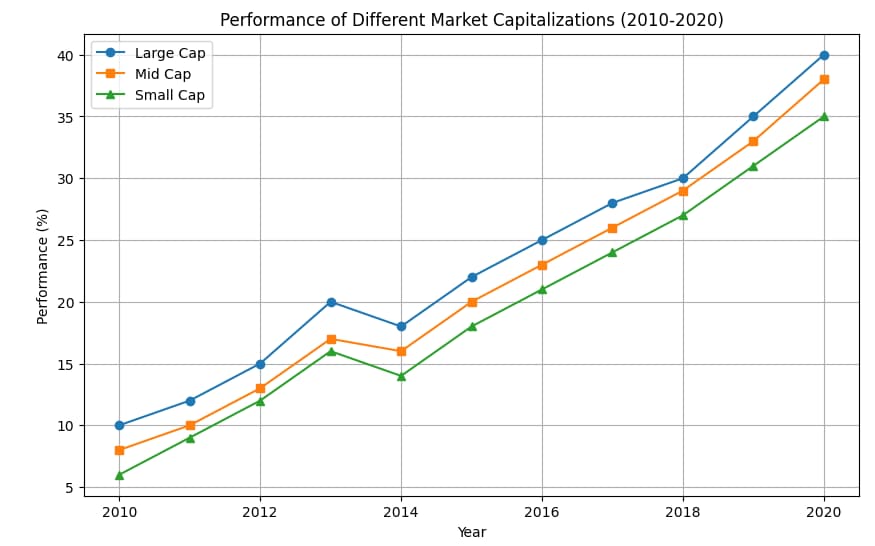 A line chart showing the performance of different market capitalizations
6. Diversification through Mutual Funds and ETFs
Mutual funds and ETFs provide exposure to a diversified set of assets without picking individual stocks or bonds.
How to Use: Select funds that align with your investment strategy and goals. For example, choose a broad-market ETF for general exposure or a sector-specific mutual fund for targeted diversification.
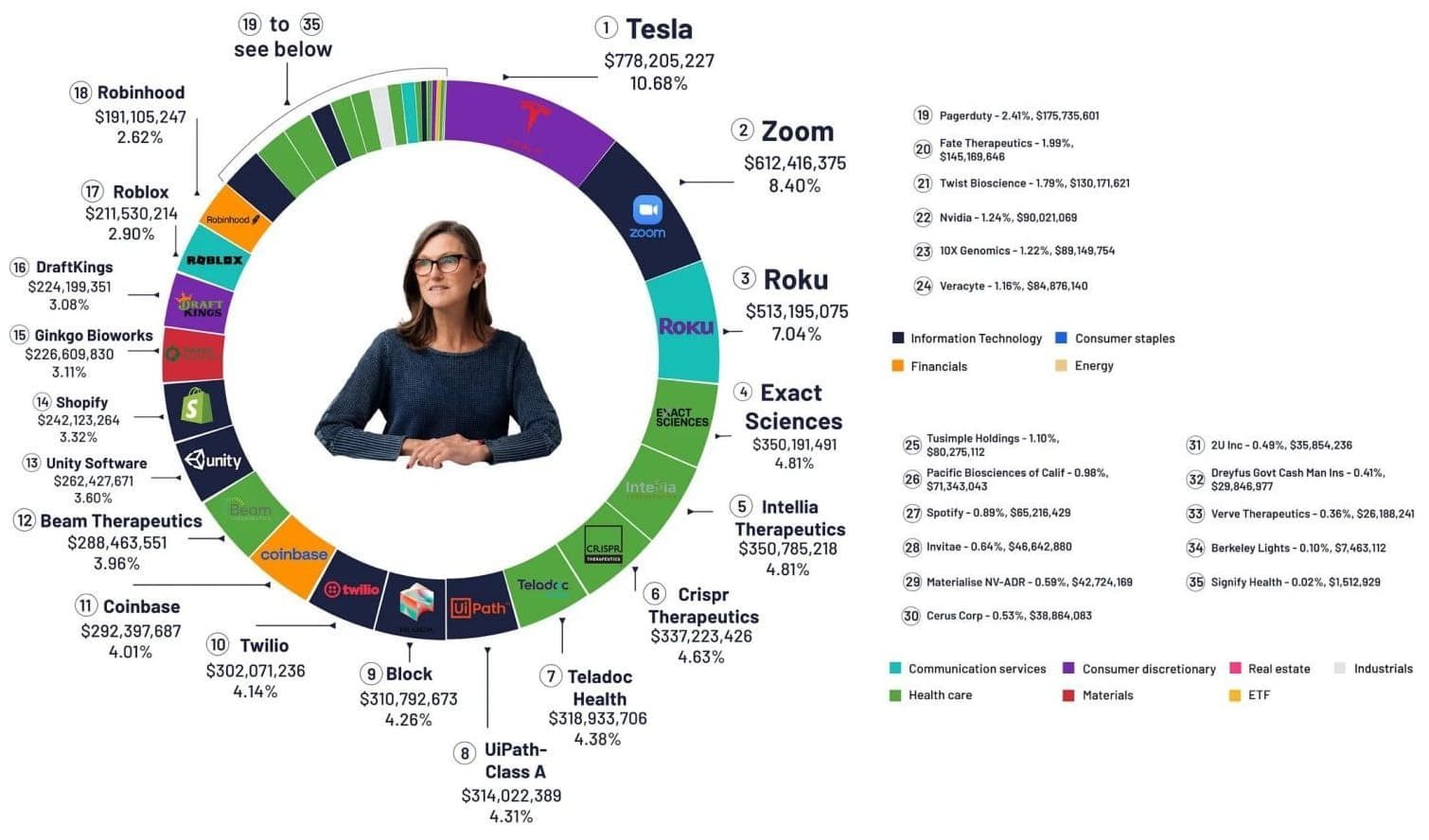 ARK Invest Cathie Wood: current portfolio
 Index funds, a type of ETF, have gained popularity due to their low fees and broad market exposure. Vanguard's Total Stock Market ETF (VTI) is a prime example, offering exposure to the entire U.S. stock market.
7. Alternative Investments
Alternative investments such as commodities, real estate, and hedge funds offer diversification beyond traditional stocks and bonds.
How to Use: Allocate a small percentage of your portfolio to alternative investments. For example, invest in gold ETFs, real estate funds, or hedge funds to diversify further.
During periods of stock market volatility, alternative investments like gold often act as a safe haven, preserving capital.
8. Time Diversification (Dollar-Cost Averaging)
Investing a fixed amount regularly over time can reduce the impact of market volatility.
How to Use: Set up automatic investments at regular intervals, such as monthly or quarterly, regardless of market conditions.
Dollar-cost averaging helps investors avoid the pitfalls of market timing. For instance, investing consistently during market downturns can lower the average cost per share over time.
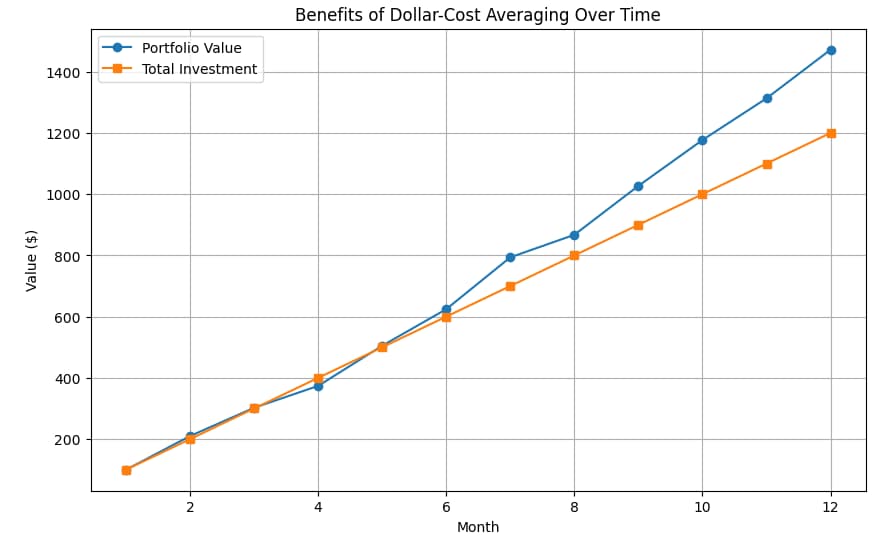 A line graph illustrating the benefits of dollar-cost averaging over time.
Integration of multiple strategies
Combining multiple diversification strategies, if done correctly, can improve the performance of your investment portfolio. We have explored some tried-and-tested combinations below:
- Combining asset class and geographic diversification. By investing in various asset classes (e.g., stocks, bonds, real estate) across different geographic regions (e.g., North America, Europe, Asia), you can gain global exposure and reduce the impact of localized economic downturns.
- Using mutual funds and ETFs alongside individual stock selections. Incorporate mutual funds and ETFs to achieve broad market exposure while also selecting individual stocks to capitalize on specific growth opportunities.
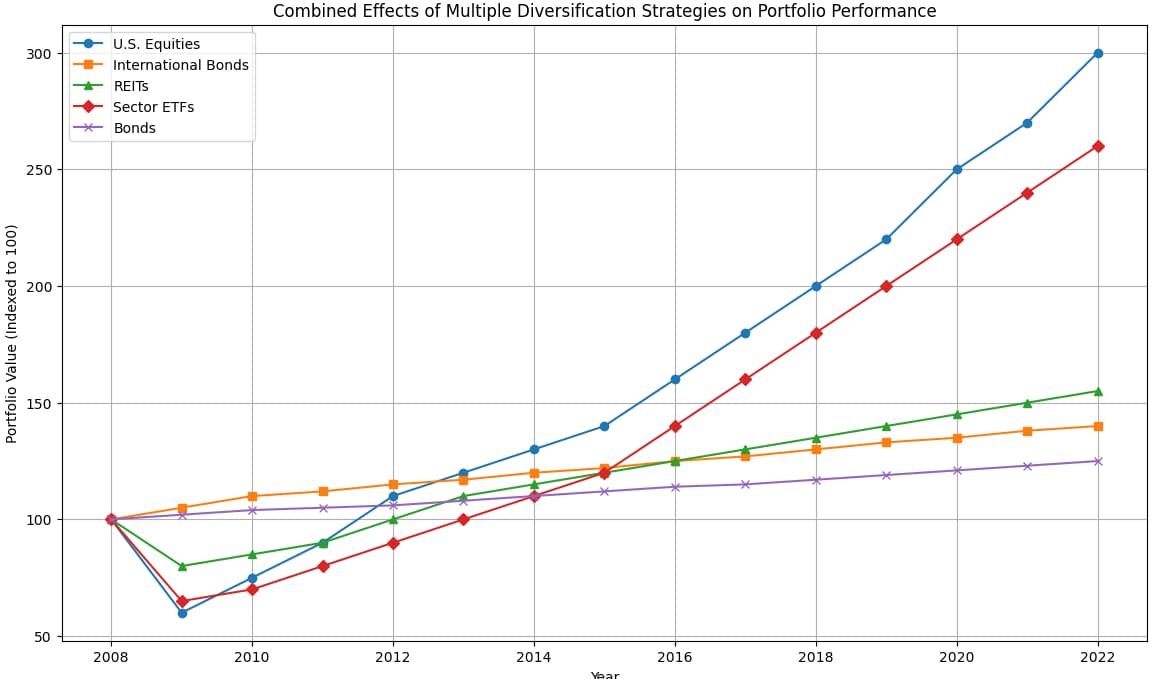 A graph depicting the effect of multiple diversification strategies on portfolio performance
What should be considered for beginners
As a beginner, you should focus on the importance of education, creating a solid trading plan, and managing risk. It is important to have patience and to keep realistic expectations for long-term success.
- Education. Invest time in learning about market dynamics, trading strategies, and risk management through online courses, trading books, and webinars;
- Trading Plan. Develop a comprehensive trading plan that outlines strategies and risk management rules;
- Risk Management. Start with small positions and gradually increase exposure as confidence grows.
What should be considered for advanced traders
Advanced traders should refine and test their strategies, use advanced tools, and manage larger portfolios. Further, they must focus on continuous learning and adaptation.
- Refining Strategies. Continuously backtest and forward-test trading strategies;
- Advanced Tools. Use sophisticated trading platforms with advanced charting tools and algorithmic trading capabilities;
- Portfolio Management. Implement complex risk management strategies like hedging and diversification across asset classes.
Risks and warnings
While diversification is a key strategy to manage risk, it is not without its own set of challenges and pitfalls. This section highlights the risks associated with different diversification strategies and provides warnings about common mistakes investors might make.
- Over-Diversification. Spreading investments too thin can dilute potential returns. When investors hold too many assets, each with a small proportion of the portfolio, the potential impact of high-performing investments is minimized. Over-diversification can lead to a portfolio that closely mimics the overall market performance, reducing the benefits of carefully selected high-growth investments;
- Market Risk. Even well-diversified portfolios are subject to market risks. Diversification cannot eliminate systemic risks, such as economic recessions, political instability, or global pandemics, which affect almost all asset classes. During major market downturns, correlations between different asset classes can increase, meaning they move in the same direction, which reduces the effectiveness of diversification.
Conclusion
Effective portfolio diversification is not about scattering investments everywhere, but strategically allocating assets to reduce risk and weather market storms. By selecting a mix of asset classes, sectors, geographies, and styles, investors can create portfolios that are resilient—to both everyday volatility and major disruptions. For example, blending stocks and bonds or combining sector and geographic diversification has historically helped shield portfolios from localized shocks. However, as market correlations shift, it’s essential to rebalance with intention, ensuring each asset plays a purposeful role. Remember: true diversification empowers you to stay calm and invested through uncertainty, making it your most reliable partner in building long-term wealth.
Post a comment